Commissariat
Vincent Gobber
Exposition du 4 mai au 1er juin 2019
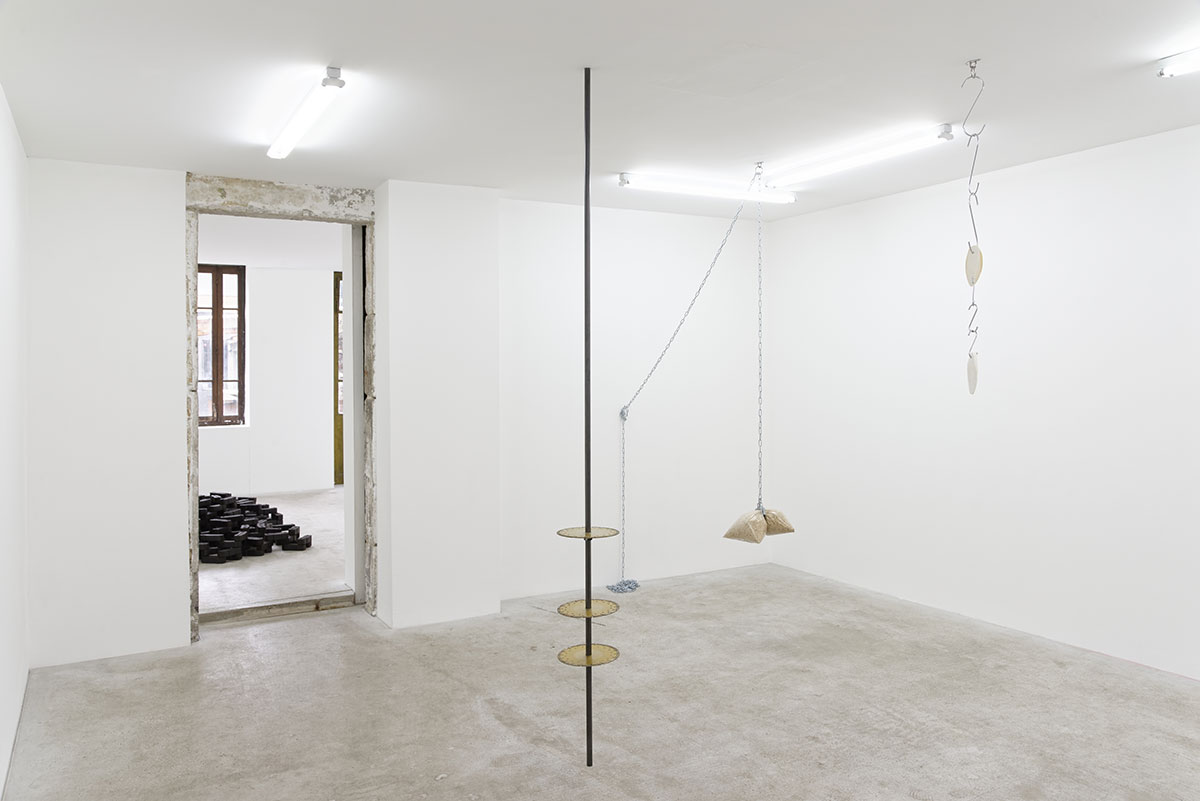
Je travaille avec les objets triviaux du quotidien révélant leur propre imaginaire en fabriquant des espaces instables. Sculpture-mobilier, structure-décor, les références et les points d’accroche au réel s’entremêlent pour laisser comme un malaise. Pour s’en approcher et les saisir du regard, il faut accepter d’abandonner un peu de contrôle et d’aller au contact de formes, de « machins » qui s’adressent plus au monde des sensations qu’à celui de la compréhension.
Aurélie Menaldo
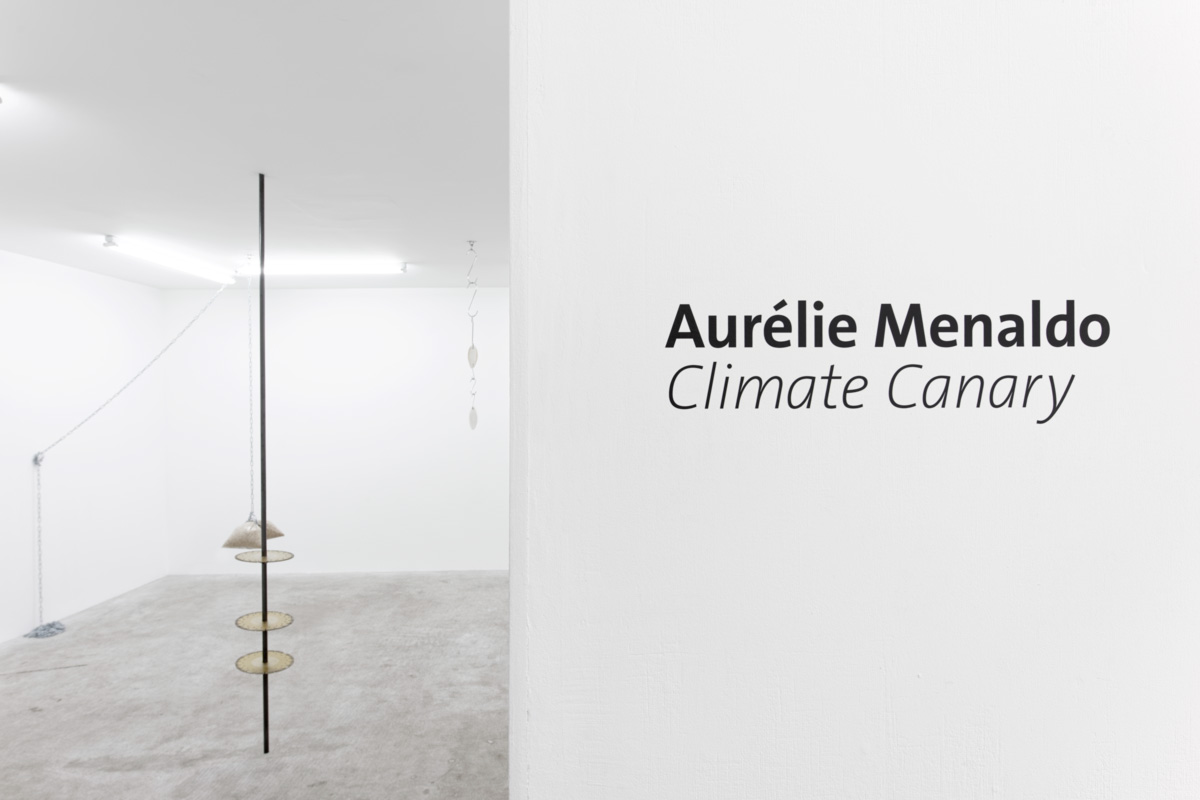
On le sait bien, les artistes sont des prêtres laïques. Leur tâche consiste à tracer un cercle sur le sol et indiquer à la communauté l’unité qui la fonde. Cette unité prend racine dans notre environnement immédiat ; les dieux sont d’abord les dieux locaux, les dieux du pays — de sorte qu’on a pu qualifier certaines religions de païennes (de paganus, « du pays »).
Notre Athéna stéphanoise, centre situé à la périphérie formée par la voie ferrée, c’est évidemment le crassier. Étrange déesse des forêts du sous-sol, utile à la forge, au foyer et à la guerre. Nous fêtons Sainte-Barbe, mais ce n’est que l’autre nom de la déesse bona dea, la bonne déesse.
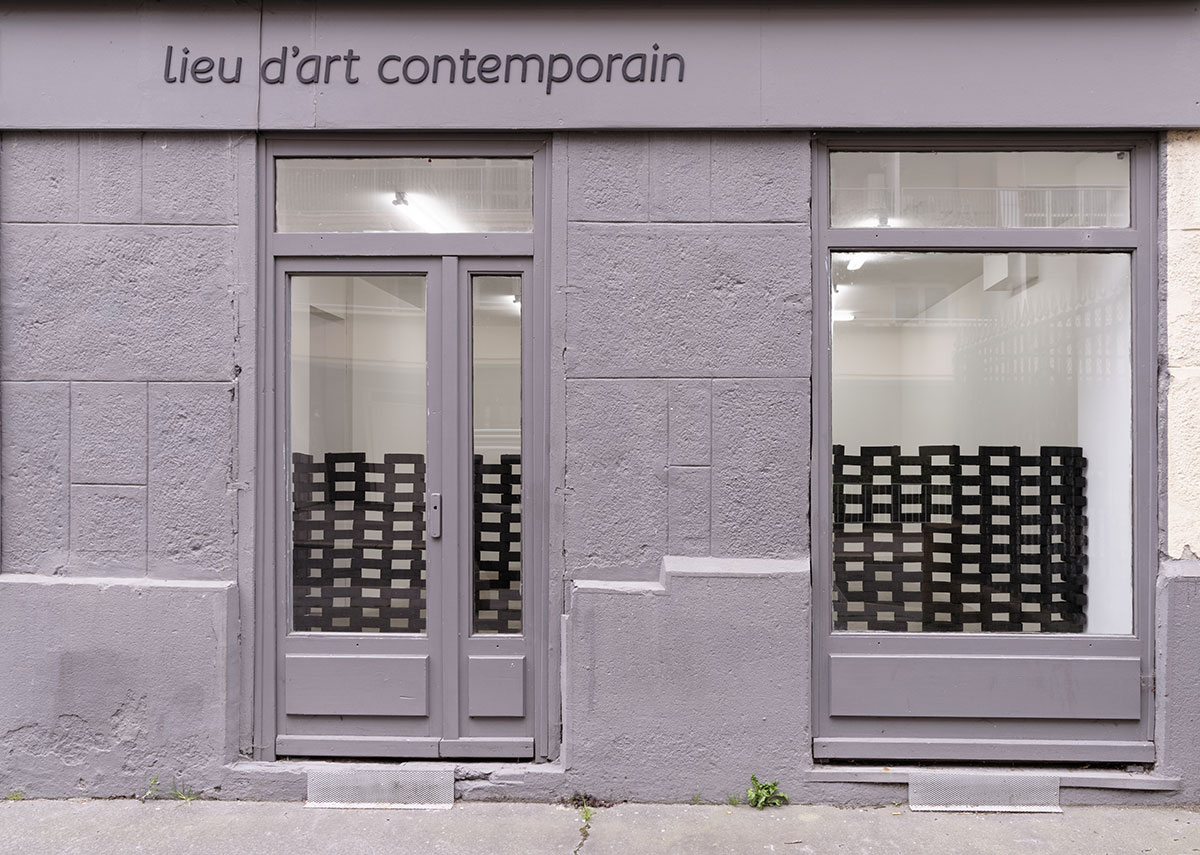
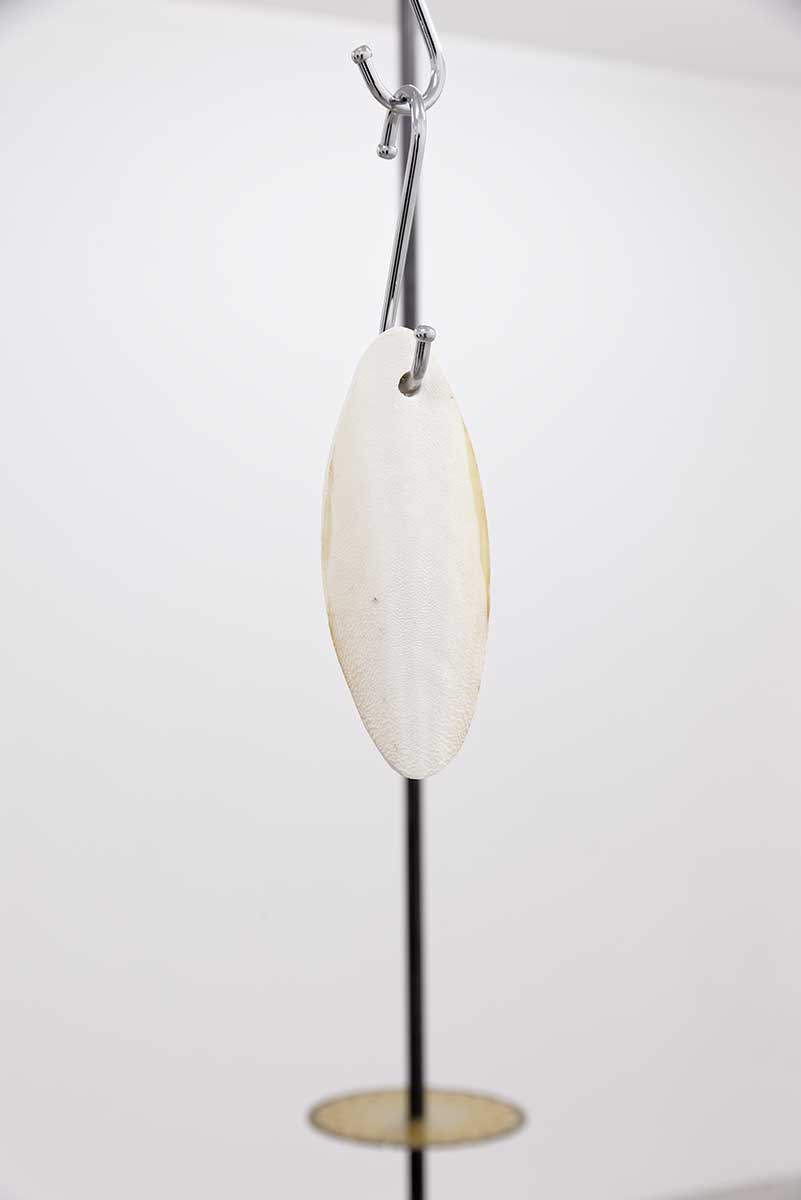
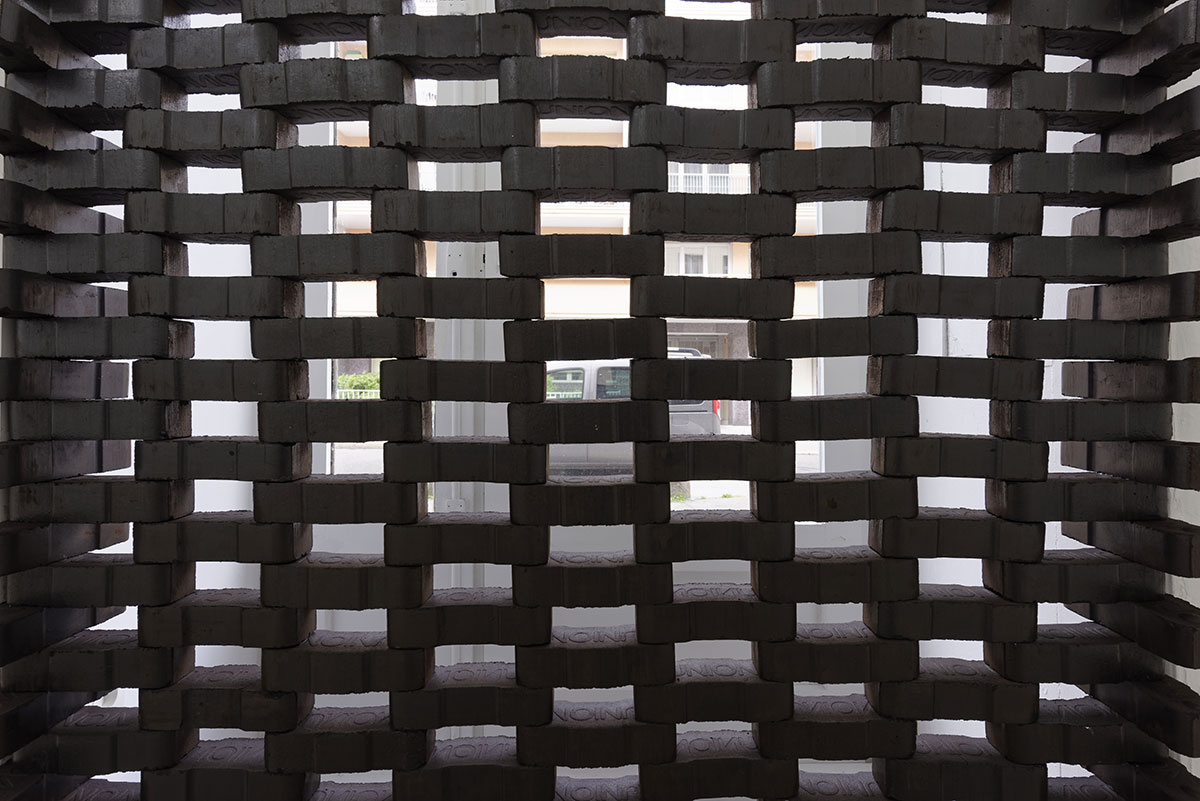
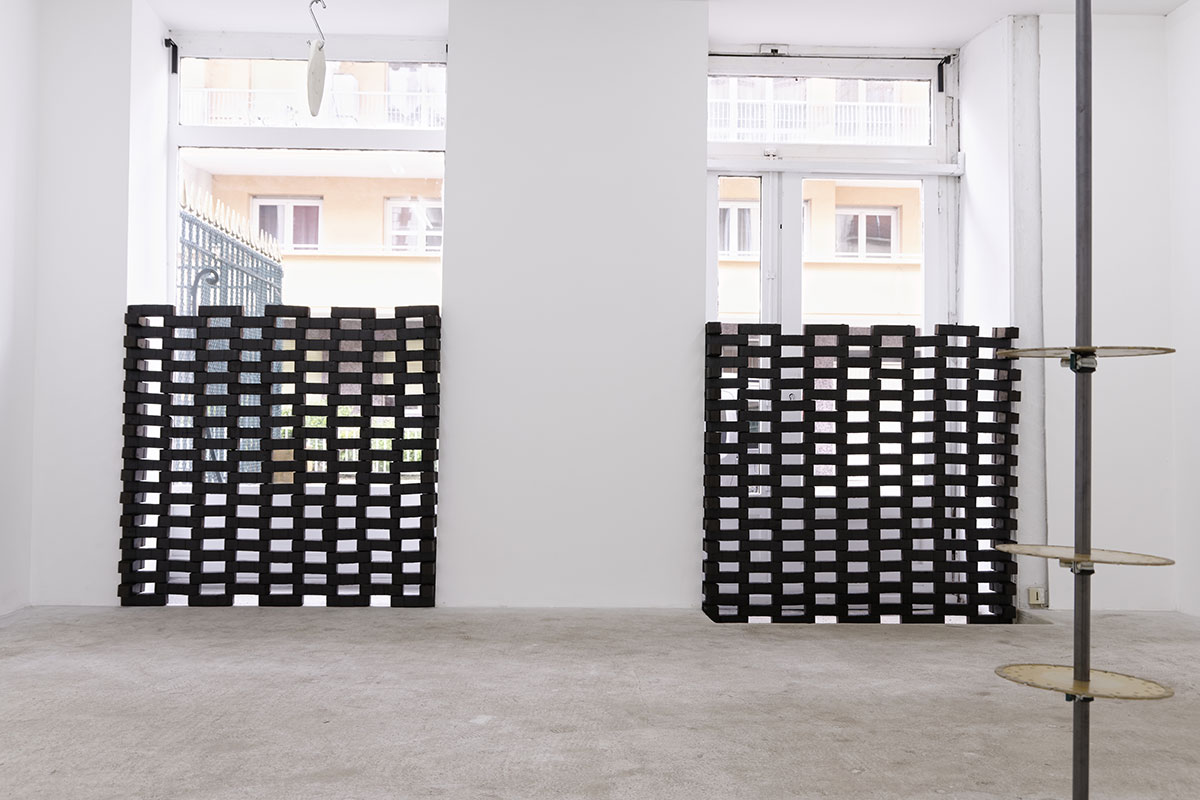
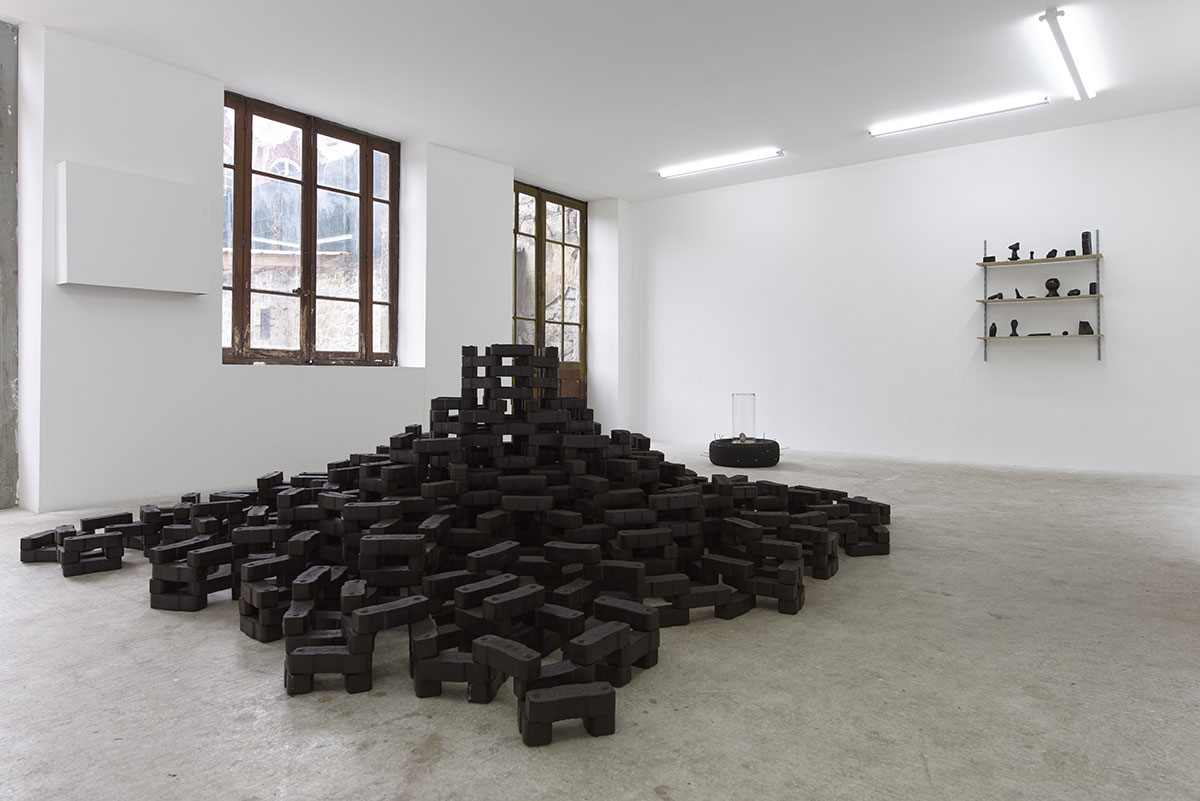
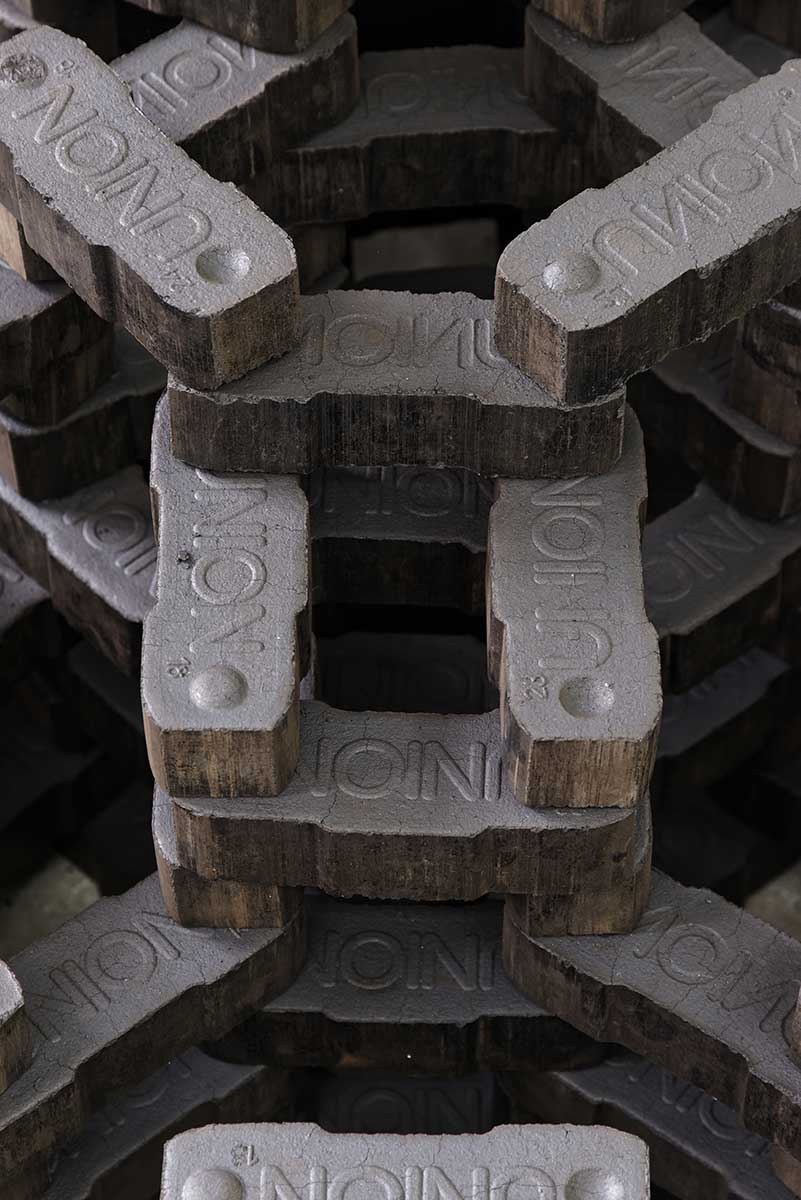
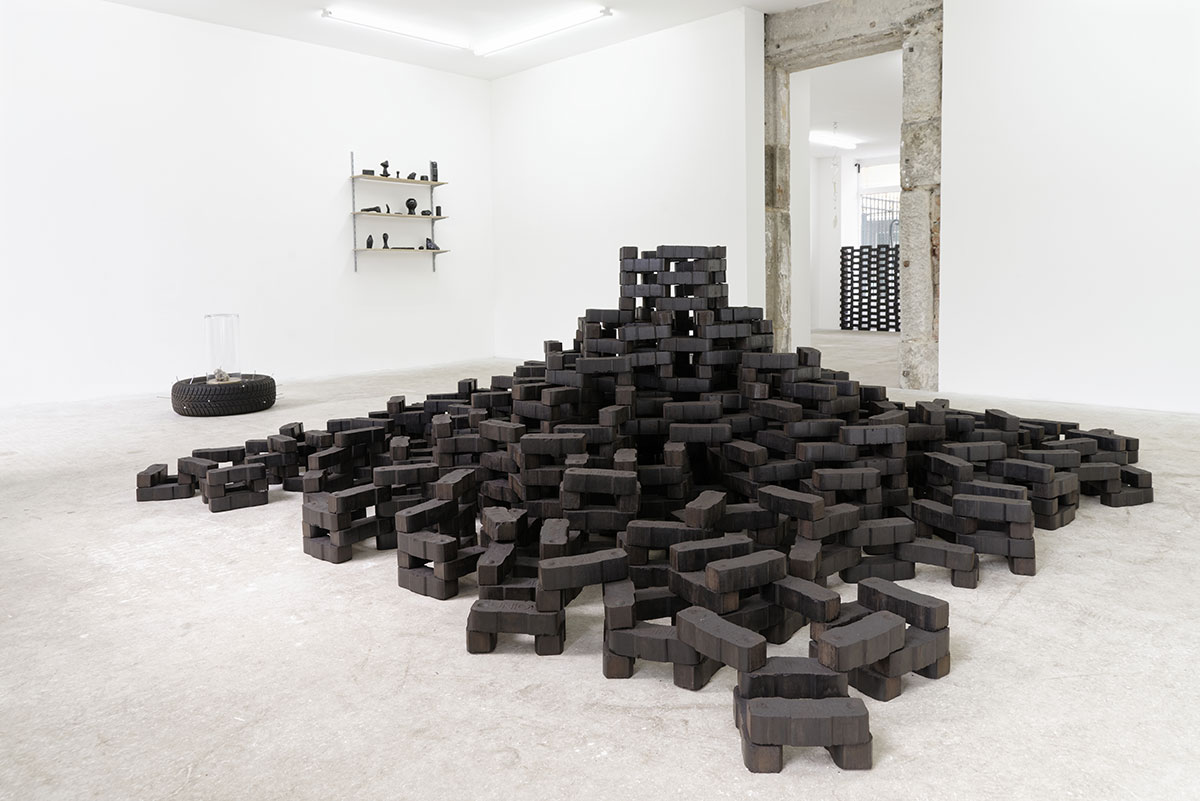
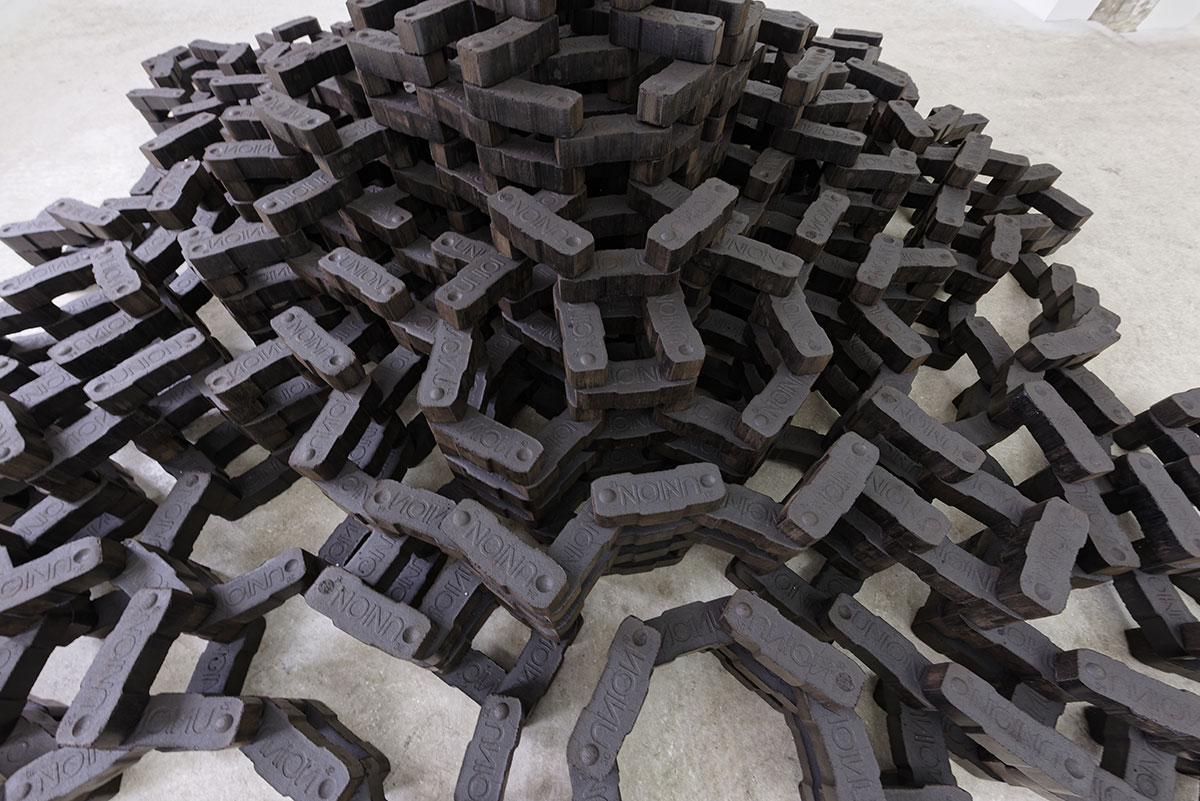
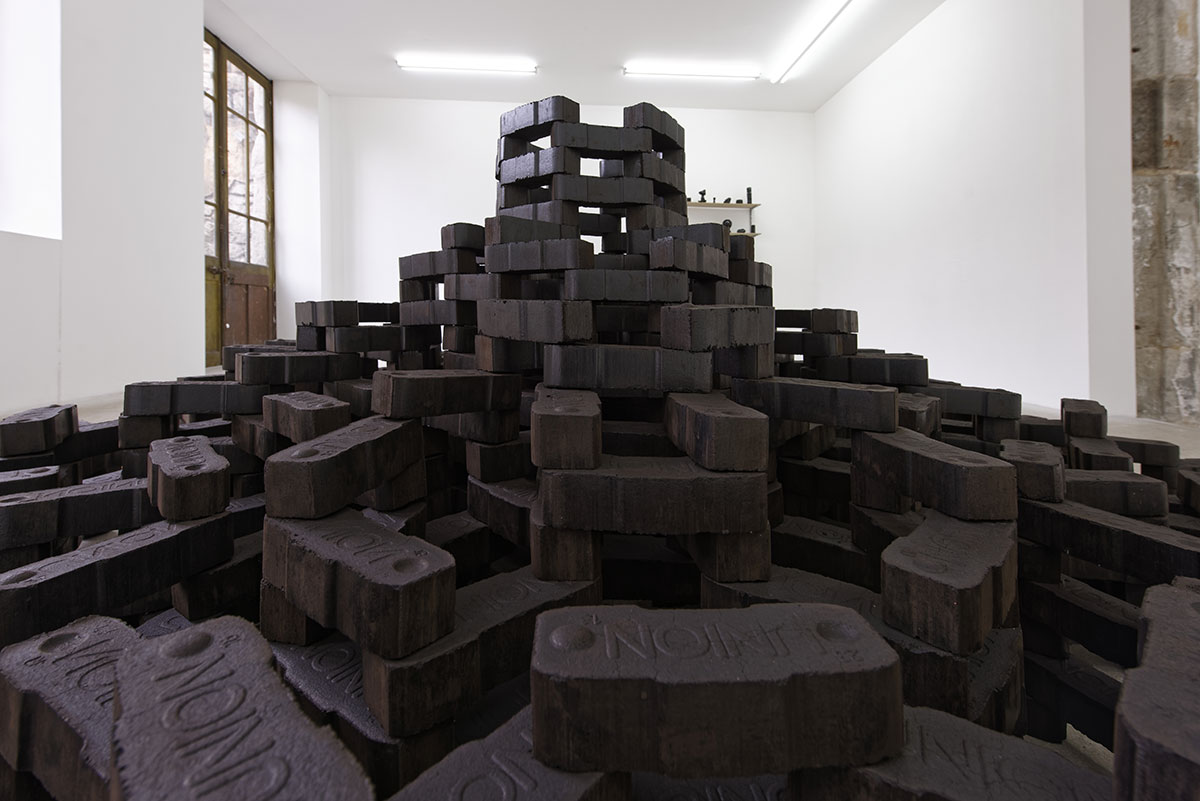
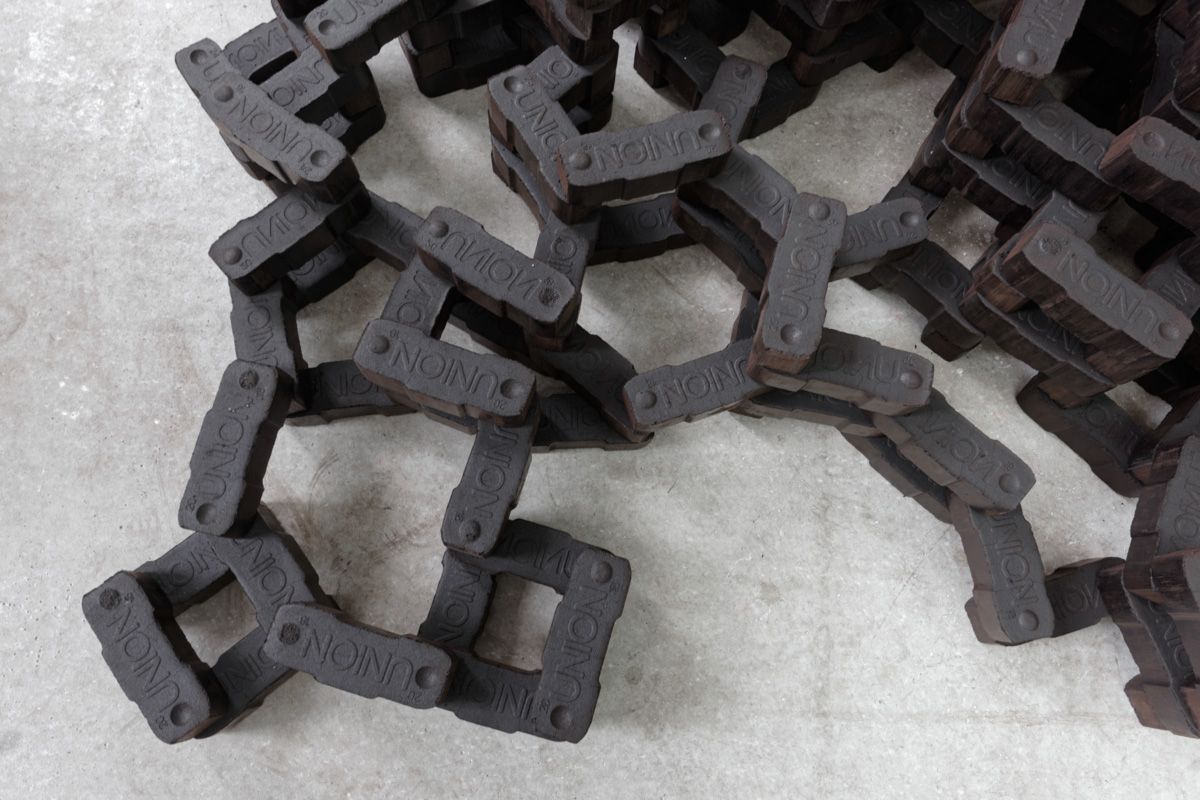
L’Art comme la religion sont l’occasion de renouveler notre piété à l’égard des saines idoles. Non pas un Veau d’or, mais un mur de charbon. Il y a les pierres votives. Et il y a le sacrifice, forcément, qu’exigent les dieux : le canari, dont le sort des poumons fera la bonne ou la mauvaise augure.
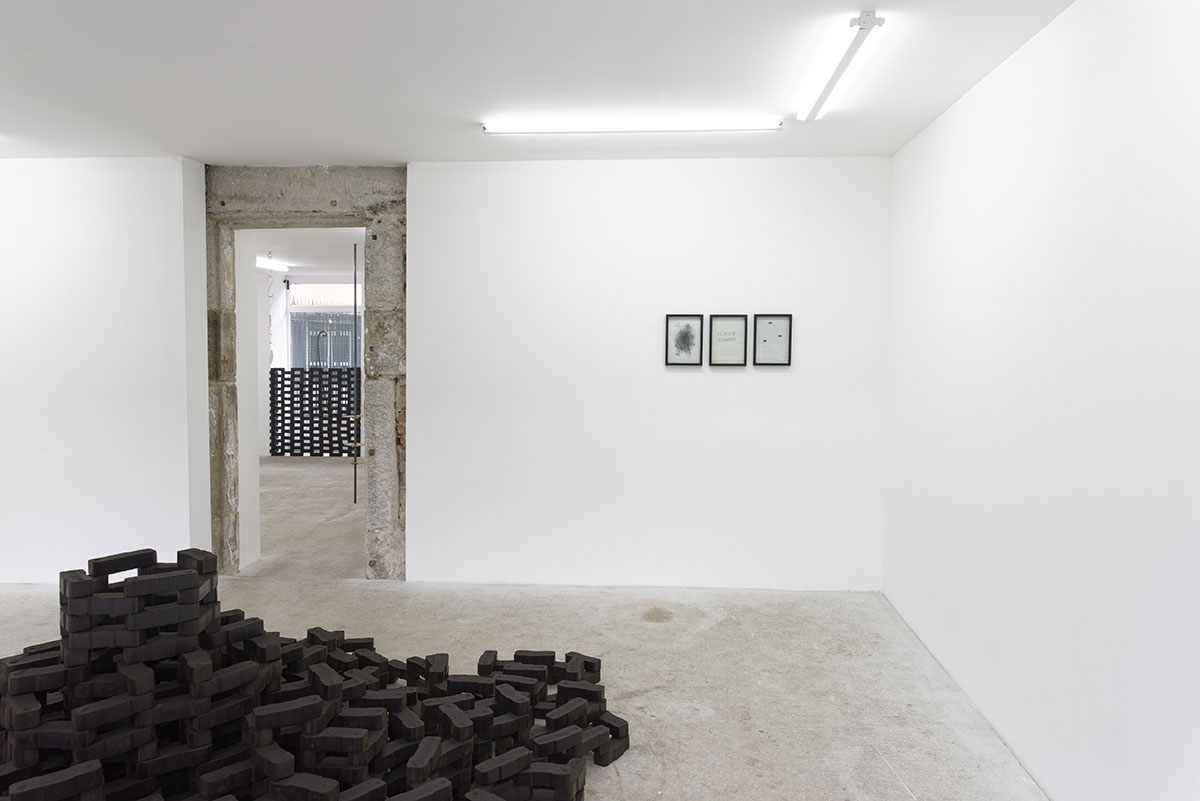
Tout est ici organisé comme un temple, dans lequel nos dieux, plus ou moins anciens, mineurs ou majeurs, ne sommeillent plus.
Frédéric Montfort, 2019
aureliemenaldo.org
I work with trivial everyday objects revealing their own imagination by making unstable spaces. Sculpture-furniture, structure-decor, references and points of clinging to reality intermingle to leave like a malaise. To approach them and grasp them with the gaze, it is necessary to accept to abandon a little control and to go into contact with forms, «machins» which are addressed more to the world of sensations than to that of comprehension.
Aurélie Menaldo
We know that artists are lay priests. Their task is to draw a circle on the ground and indicate to the community the unity that founded it. This unity takes root in our immediate environment; the gods are first the local gods, the gods of the country — so that some religions could be called pagans (paganus, «country»).
Our Athena from Saint-Etienne, a centre on the outskirts of the railway, is obviously the rubbish heap. Strange goddess of the underground forests, useful for the forge, the hearth and the war. We celebrate Saint-Barbe, but it is only the other name of the goddess bona dea, the good goddess.
Art and religion are an opportunity to renew our piety for healthy idols. Not a golden calf, but a coal wall. There are the votive stones. And there is the sacrifice, necessarily, that the gods demand: the canary, whose fate of the lungs will make the good or the bad omen.
Everything is organized here like a temple, in which our gods, more or less ancient, minor or major, no longer sleep.
Frédéric Montfort, 2019